
2024 Graduate Fellows
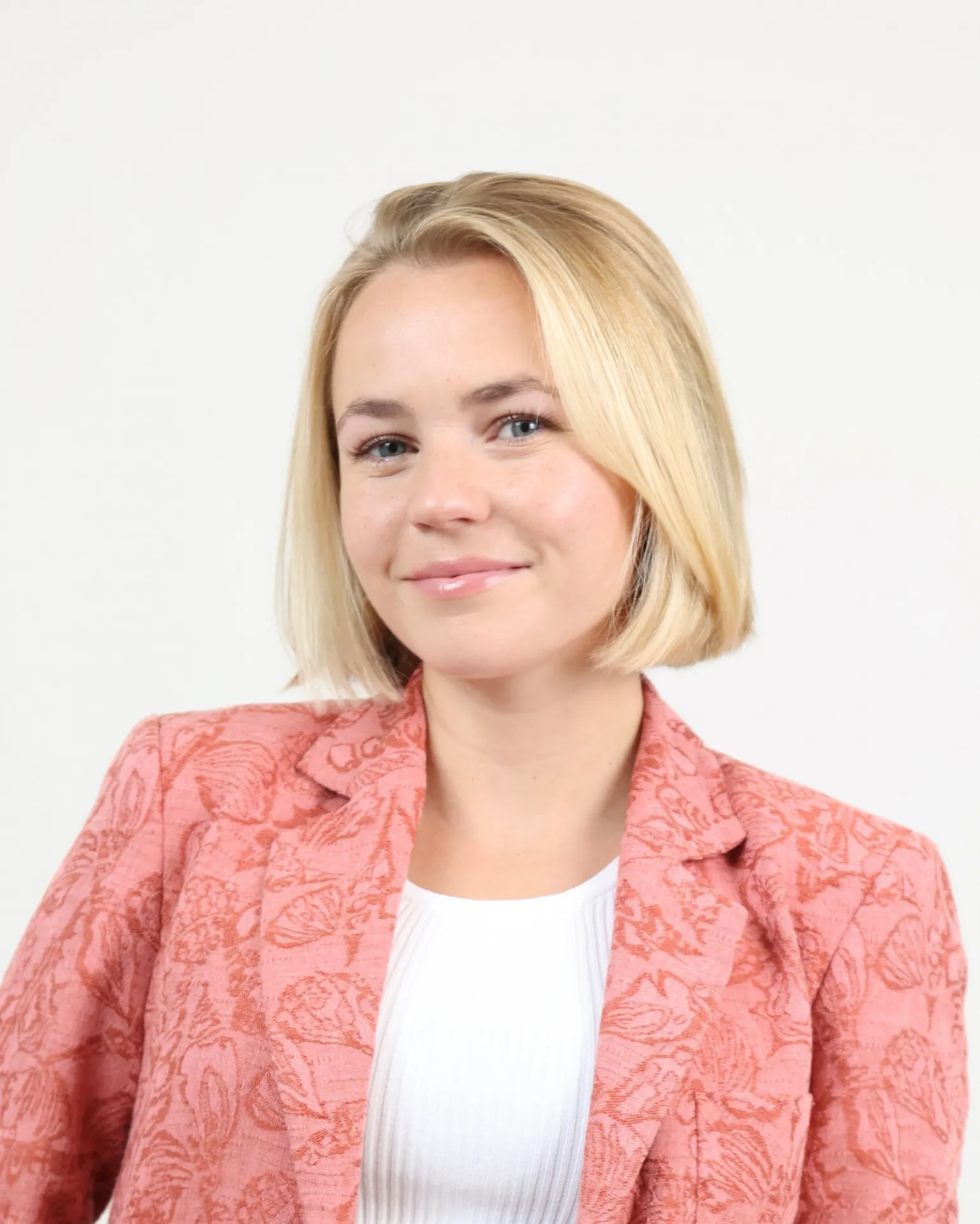
Ellie Hislop is a sustainability professional and recent graduate of Columbia University’s M.S. in Sustainability Management program, where she concentrated on regenerative agriculture, natural resource management, and systems-based approaches to land restoration. During her time at Columbia, Ellie served as Global Sustainability Manager at Blue Yonder, a supply chain software company, where she led corporate sustainability strategy and emissions reporting while pursuing her graduate studies.
As an Orizuru Fellow, Ellie participated in Columbia’s peace and sustainability field study in Hiroshima and Etajima, Japan. There, she explored the intersections of historical memory, environmental resilience, and peacebuilding. A formative part of the experience included learning from a local olive farmer on Etajima Island, whose post-disaster agricultural regeneration efforts deepened her commitment to community-based models of restoration and food system resilience.
Ellie’s long-term vision is to lead regenerative land use projects that transform degraded or underutilized landscapes, such as former recreational or industrial properties, into ecologically productive, educational, and community-centered spaces that serve both environmental and social goals.
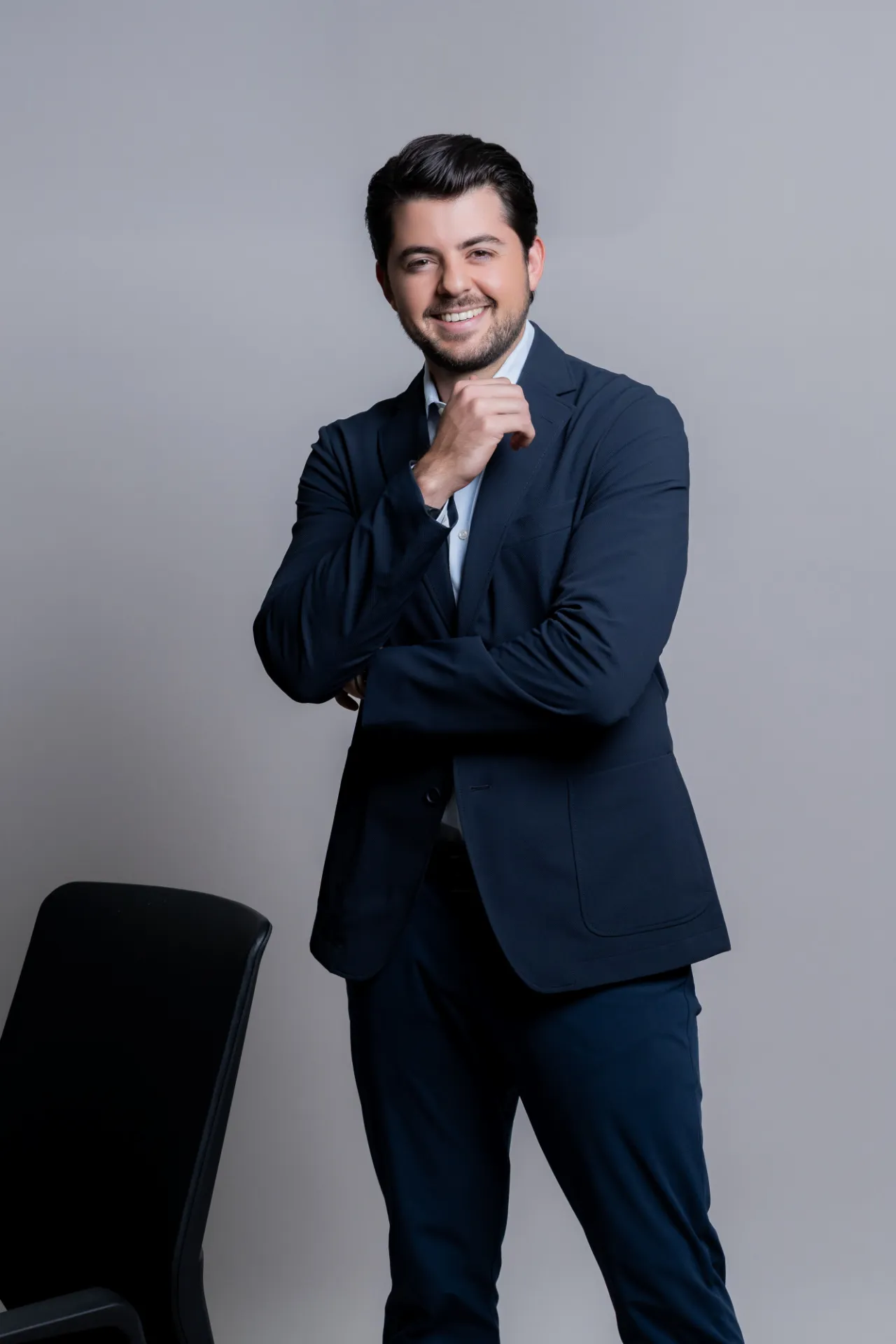
Pedro José Cabrera Haché is the co-founder and current President of Cilpen Global Business, SRL, where he leads operations with a focus on innovation, technical excellence, and sustainable results. Under his leadership, Cilpen has become a national leader in solid waste management and environmental recovery in the Dominican Republic, implementing circular economy principles and socially impactful strategies. He holds a Master’s degree in Sustainability Management from Columbia University and a Bachelor's in Economics and Finance from Bentley University. Pedro has spearheaded major infrastructure projects, secured international partnerships, and collaborated with organizations like Parley for the Oceans to lead coastal cleanups and environmental education efforts.
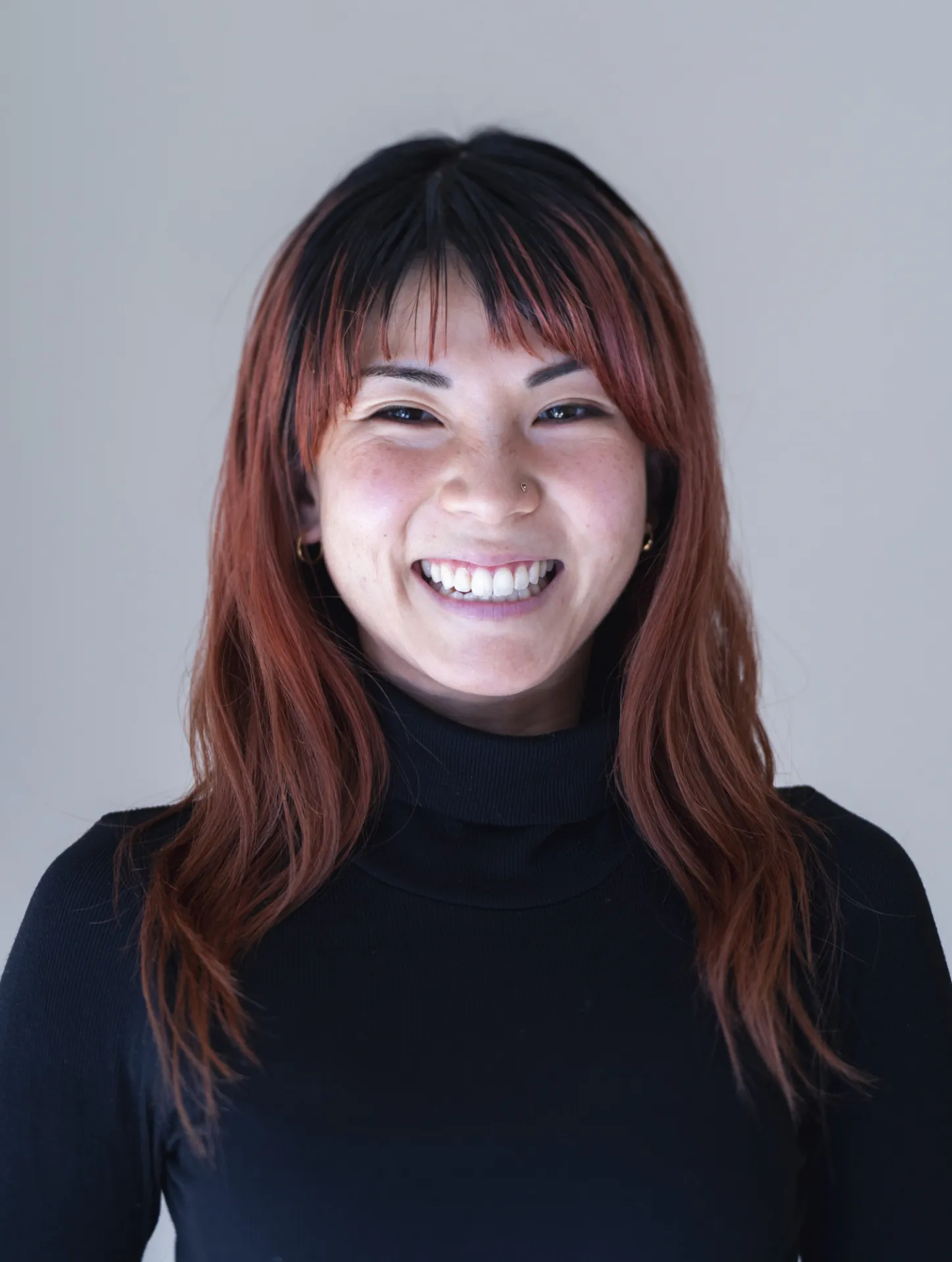
Christina 春美 (Harumi) 高山 (Takayama) was born in San Francisco to Japanese immigrant parents. She holds an MSc in International Development from SOAS, University of London, where her research focused on postcolonial feminist methodologies and the role of humility and self-reflexivity in empowerment-based research. Her academic and professional interests lie at the intersection of mental health, spirituality, and activism, with a particular focus on how systemic injustices shape both interpersonal and intrapersonal dynamics.
Christina is currently a social researcher with Women Together Global, an NGO dedicated to women’s empowerment, where she recently facilitated research on the use of environmentally sustainable, community-owned transportation in women’s groups. She also serves as a crisis counselor at a suicide prevention hotline. Beyond her professional work, Christina is a dedicated yoga practitioner, family caregiver, and a proud dog mom.
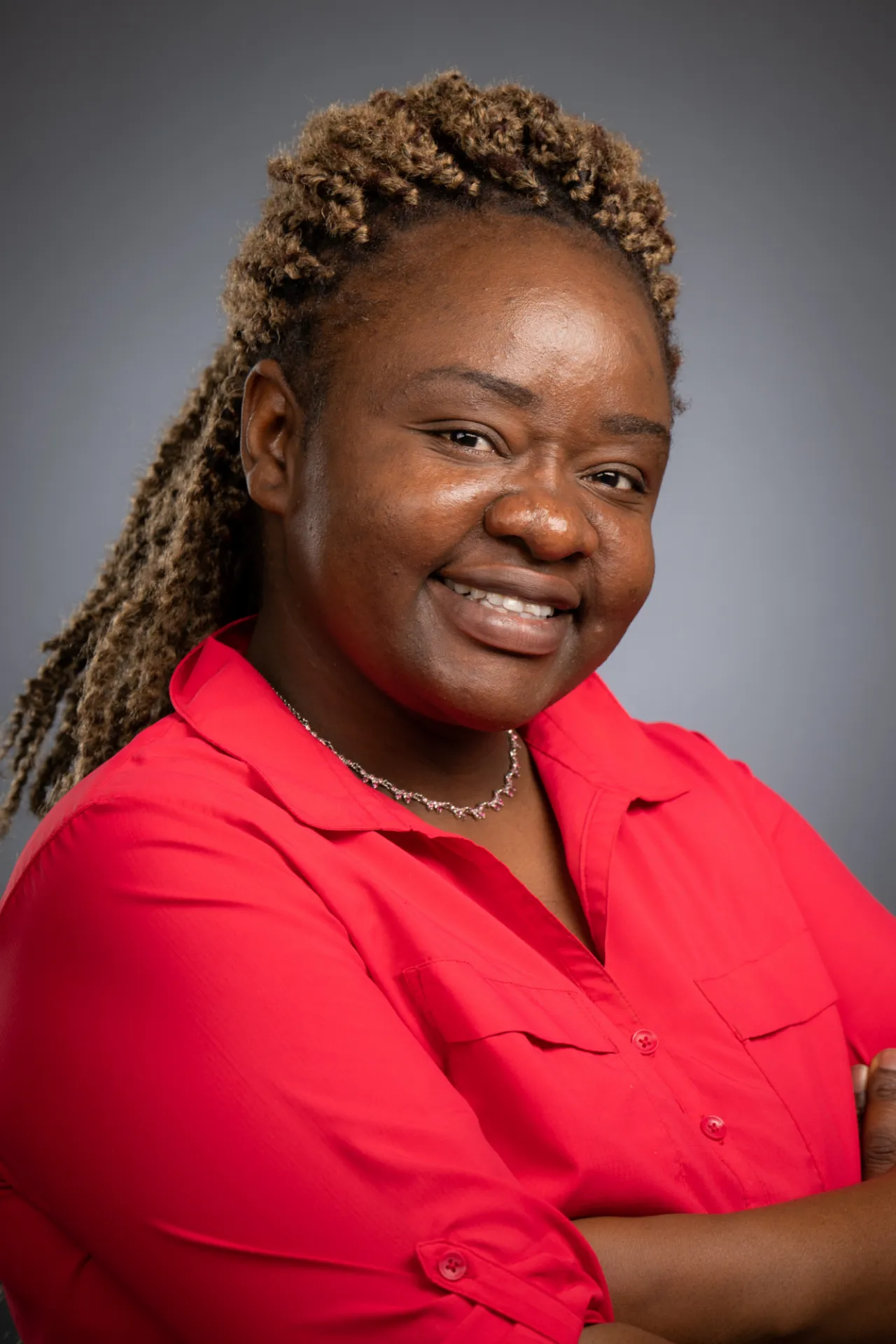
Lydia A. Maseko is a passionate educator and student affairs professional with more than nine years of experience as a secondary school teacher in Malawi. Her journey in education began in the classroom, where she witnessed firsthand the challenges many students especially girls face in accessing and succeeding in education. This inspired her to initiate grassroots efforts to reduce school dropouts and create stronger pathways for students transitioning into higher education. She collaborated closely with teachers, school leaders, and parents to develop programs that address academic barriers and support student well-being. Beyond teaching, Lydia has taken on leadership roles in community-based organizations focused on educational equity and girls’ empowerment. Her work includes coordinating parental engagement initiatives, organizing regular student monitoring programs, and partnering with local stakeholders to improve educational outcomes in under-resourced communities. In the United States, Lydia served as a graduate assistant at the University of Denver, supporting student programming and initiatives that foster inclusive environments, leadership development, and academic success. Lydia’s academic and professional interests focus on higher education policy, student support systems, and institutional equity. She is especially committed to exploring how higher education institutions can create inclusive, supportive environments that meet the needs of marginalized and underrepresented students. Her research and practice aim to inform transformative leadership and policy reforms that promote access, belonging, and success in higher education both locally
and globally.